Despite severe disruptions from COVID-19—an event that devastated global travel markets—the Middle East was the only region to exceed its pre-pandemic tourist totals by 2023. Data from the first nine months of 2024 reveals that MENA still leads in global tourism growth, outpacing many other regions in both international arrivals and overall receipts. This recovery story shows how resilient the sector can be when governments and businesses mobilize quickly.
The escalation of conflict in the region since October 2023 has introduced fresh challenges and slowed what could have been an even stronger path to recovery for the tourism sector in MENA. Immediately after the onset of the conflict, the Travel Sentiment Score for the Middle East plunged to levels unseen since the early days of the pandemic. Airlines and cruise operators suspended certain routes, while multiple foreign governments issued travel advisories against journeys to conflict-affected areas.
t.
Primary Source
Conflict between communities
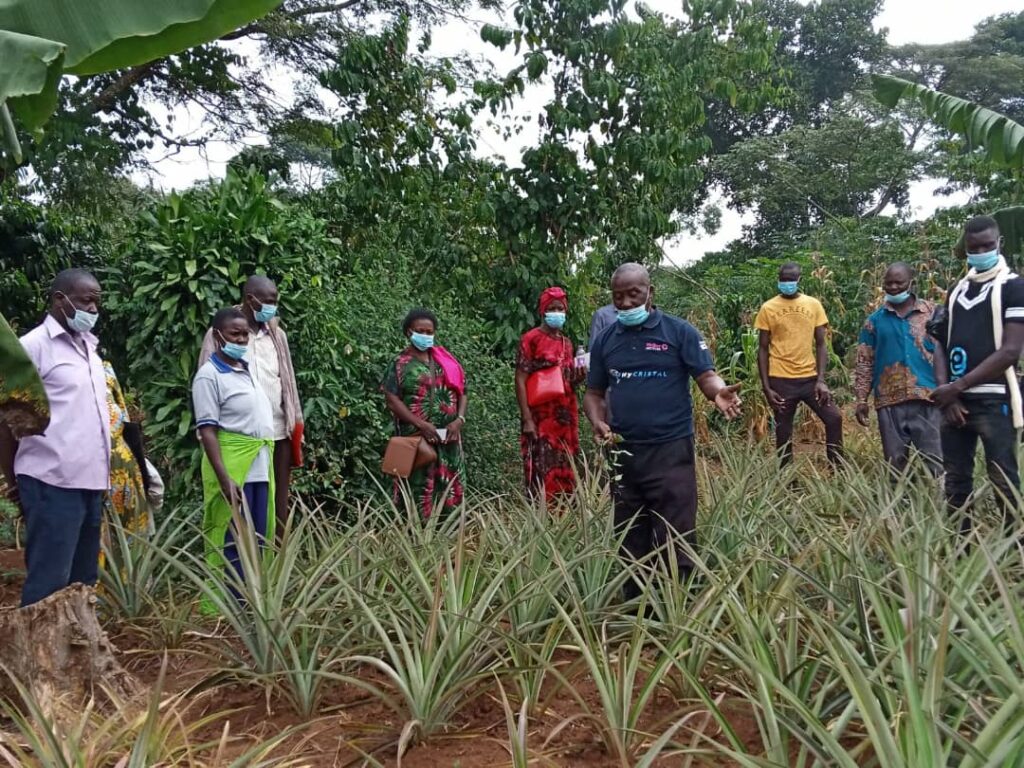
Two communities are in conflict because of land and agricultural issues. The issue seems to have started because one family planted their crops on another’s land
Two communities are in conflict because of land and agricultural issues. The issue seems to have started because one family planted their crops on another’s land
A closer look at aviation passenger arrivals captures the re-emergence of "two MENAs,” (a divergence between the GCC and non-GCC), with the conflict’s effects disproportionately impacting the subregions closer to the conflict, particularly the non- Gulf Cooperation Council (GCC) Middle Eastern economies. Overall,MENA still posted an estimated 7% annual growth in passenger arrival figures.However, the non-GCC Middle Eastern countries have been more directly affected by negative monthly growth from October 2023 to October 2024. By contrast, the GCC countries and North African economies maintained positive growth, albeit at a slower pace.
During the first nine months of 2024, non-GCC Middle Eastern countries received 2.35 million fewer European visitors compared to the same period in 2023, while North Africa attracted 2.75 million more European visitors (See Figure 2). This may suggest asubstitution effect, with travelers opting for destinations in North Africa that offer similar experiences but are further from the conflict.
Tourism patterns within countries also appear to have shifted. In Jordan, while foreign visitor numbers to most tourist sites saw an overall decline from January to September 2024, sites like Petra and Mount Nebo experienced larger relative decreases. In contrast, locations such as Ajloun and the country’s four major museums near Amman gained relative popularity, reflecting evolving tourist preferences during this period.
Primary Source
Health centre closed yesterday
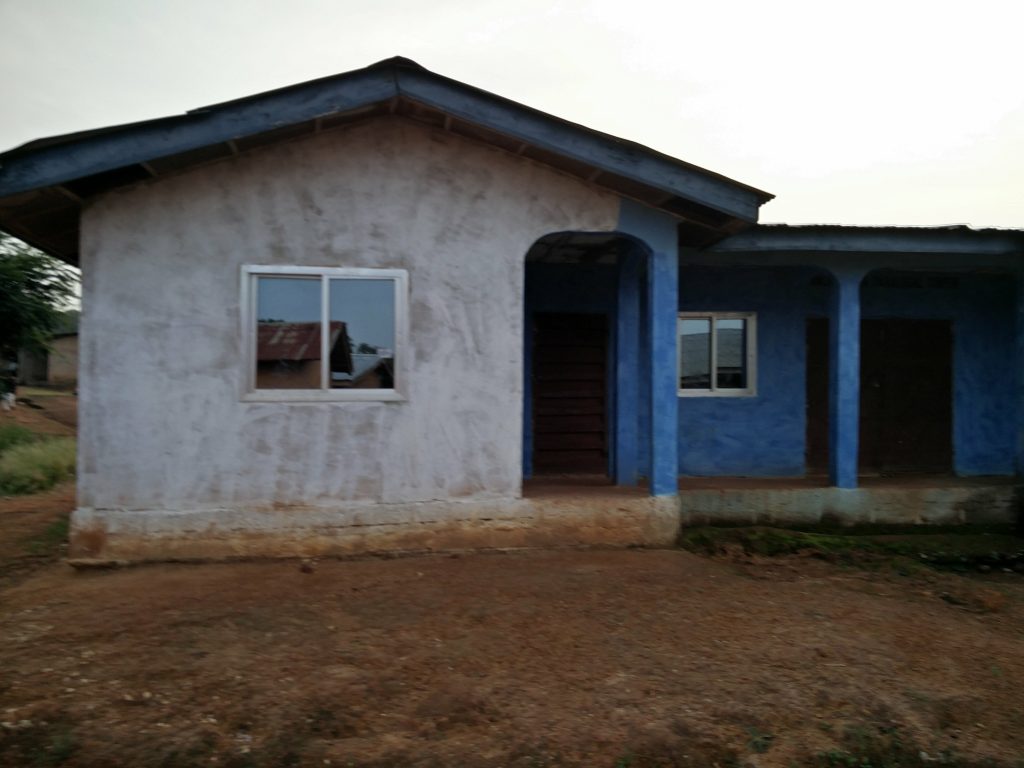
The local health centre is has shut down temporarily due to fears around the spread of COVID. Previously they had been turning away patients who have a cough due to fear of COVID meaning that many are not able to seek treatment. They have now closed completely.
The local health centre is has shut down temporarily due to fears around the spread of COVID. Previously they had been turning away patients who have a cough due to fear of COVID meaning that many are not able to seek treatment. They have now closed completely.
Focus on rebranding, investing in regional cooperation, and enhancing crisis planning will be vital to reinforce the resilience of the tourism sector and maintain recent gains. Strengthening safety measures and addressing travel advisories can make a difference in rebuilding travelers’ confidence. In post-conflict environments, a proactive approach—especially in partnership with international partners and institutions—can help tourism rebound quickly after a shock. Additional insights are available in World Bank reports such as onResilient TourismandTourism Sector Pandemic Recovery. For more information on the tourism sector’s performance and related policy considerations, see theTourism Watchquarterly report.