It’s Fashion Week in New York City, but there’s one subject not getting enough attention: the plight of garment workers.
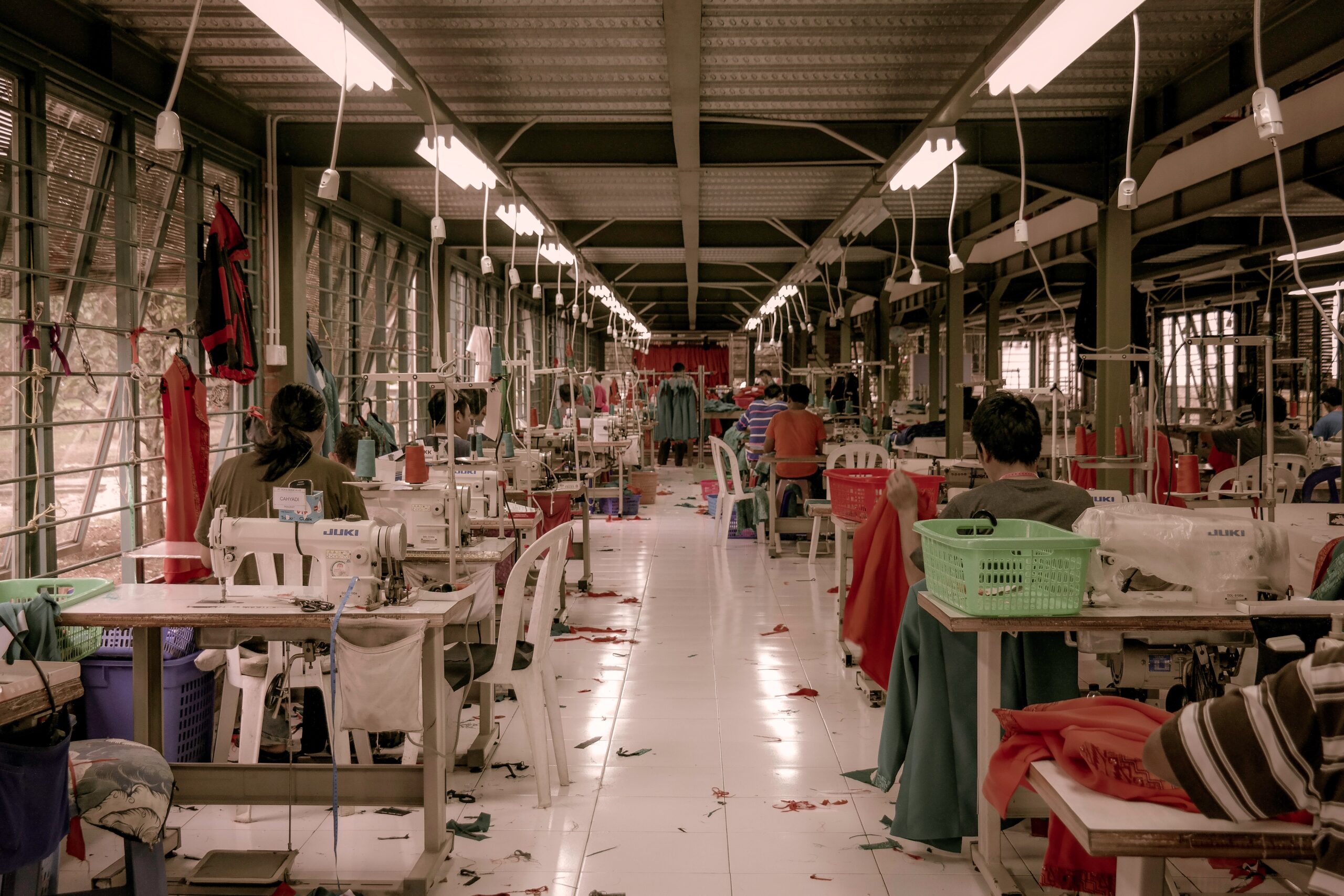
In pursuit of the latest trends, we often overlook the true cost of fast fashion – a cost paid in sweat, suffering, and silenced voices of garment workers across the globe. Millions of workers are trapped in a relentless cycle of exploitation, fueling an industry that depends on their labor but ignores their rights. Fast fashion is one of the most labor-intensive industries, with each piece of clothing handmade along a complex supply chain that stretches across countries in the global south such as Bangladesh, India, China, Vietnam, and Indonesia. These nations and others supply low-cost labor that fast fashion demands.
The industry employs approximately 75 million factory workers worldwide, yet less than 2% earn a living wage. Garment workers endure unsafe conditions, wage theft, exhausting hours, minimal pay, and gender-based harassment. The global exploitation in the garment industry was thrust into the spotlight in 2013, following the collapse of the Rana Plaza factory in Bangladesh.
Primary Source
Forces to work 80-hour work weeks
For the last 2 weeks I’ve been forced to work from 10am to 10pm 6 days per week, then they even expect me to come in to clean up my station on my day off. This is too much, I’m very tired.
They say that this is temporary to try to get an urgent order completed, but they should just hire more people instead of forcing us to
For the last 2 weeks I’ve been forced to work from 10am to 10pm 6 days per week, then they even expect me to come in to clean up my station on my day off. This is too much, I’m very tired.
They say that this is temporary to try to get an urgent order completed, but they should just hire more people instead of forcing us to
The Rana Plaza disaster was the deadliest industrial incident in the history of the garment industry. On April 24th, 2013, the eight-story building collapsed, killing 1,134 people and injuring thousands. Survivors recounted distressing stories, with many forced to sacrifice limbs to survive. Just a day before, large structural cracks were discovered, prompting the immediate closure of shops on the lower floors. Despite warnings to avoid the building, garment factory owners on the upper floors ordered workers to return the next day. The collapse of Rana Plaza shocked the world and highlighted deadly conditions in many garment factories.
As the industry has changed, fashion brands have shifted their supply chain model from one based on trust and innovation to one based on mistrust and punishment, using punitive tactics to meet quotas. The modern fashion supply chain is designed for maximum efficiency and speed, driving huge profit margins for brands at the expense of workers. These coercive practices include demanding the lowest possible prices while placing large orders, setting unrealistic turnaround times, and switching suppliers whenever another factory can do the job for less.
Primary Source
I haven't been paid in 3 months
I haven’t been paid since March and its now June. I spoke to my boss several times about this and he doesn’t seem to care. He seems to think this is normal. This is not normal. I need income to take care of my family. Help!
I haven’t been paid since March and its now June. I spoke to my boss several times about this and he doesn’t seem to care. He seems to think this is normal. This is not normal. I need income to take care of my family. Help!
This shift exacerbated issues like wage theft, which became particularly evident during the COVID-19 pandemic when brands canceled $40 billion worth of completed orders, leading to mass factory closures and layoffs. A study published by Sheffield University found that during the pandemic, wages dropped by an average 11% compared to pre-pandemic levels. Many workers were left without pay for weeks or even months, further deepening their poverty. One worker in India summarized the desperation many felt, stating “We are here basically to earn and survive.” Factory closings left over a million garment workers – mostly women, including many single mothers – laid off or fired. The result was a surge in food insecurity, gender-based violence and homelessness. The systemic issues in the garment industry, such as weak labor regulations and lack of enforcement, have only worsened these conditions, allowing brands to continue exploiting vulnerable workers without consequence.
This exploitation disproportionately impacts women, who make up approximately 80% of garment workers, primarily aged 18 to 35. When it comes to garment manufacturing in the global south, the clothes we wear often come at the cost of women’s dignity and safety. Gender discrimination is pervasive in all countries where garments are produced. Women are frequently subjected to verbal and physical abuse, as well as sexual harassment, often in unregulated factories where workplace violence goes unchecked.
A 2018 report from Global Labor Justice found that violence and harassment on a continuum of unacceptable behaviors and practices against women is based on their gender, affects women disproportionately, and can include physical, mental or sexual harm or suffering and threats, coercion and deprivations of liberty. The Clean Clothes Campaign reported that Indonesian women working in factories are often harassed by male managers who demand sexual favors in exchange for job security, threatening the women with termination if they refuse. These incidents are part of a broader pattern of systemic abuse, perpetuated by weak enforcement of labor laws and the prioritization of profit over human rights.